Creating a high-performing workplace starts with choosing the right office furniture solutions . Today's companies are shifting toward flexible layouts, ergonomic seating, and technology-ready workstations that support productivity, collaboration, and employee well-being.
From compact desks to modular meeting rooms, office furniture has evolved into a strategic tool that shapes how teams work and how businesses operate.
This article explains what modern office furniture solutions include, why they matter, and how organisations can choose the best options for long-term success.
Why Office Furniture Solutions Matter in Today’s Work Environment
Workplaces are no longer static. Teams move, collaborate, and switch between tasks throughout the day. Good furniture solutions support this dynamic behaviour.
1. Boosting Productivity
Ergonomics plays a major role in performance. Height-adjustable desks, supportive office chairs, and clutter-free workstations help employees stay comfortable and focused for longer periods.
2. Enhancing Comfort and Health
Quality seating reduces back pain and fatigue, while ergonomic accessories like monitor arms and footrests improve overall posture. Healthy employees are more engaged and take fewer sick days.
3. Maximising Space
With rising office rental costs, efficient space planning is essential. Modular furniture, multifunctional desks, compact storage, and movable partitions help create smart layouts even in small offices.
4. Creating a Professional Brand Image
Clients and visitors notice your workspace before anything else. Well-designed furniture reinforces professionalism, trust, and brand identity.
Main Components of Modern Office Furniture Solutions
A complete furniture system consists of multiple categories designed to support different tasks and functions.
1. Workstations and Desk Systems
Desks form the foundation of operational efficiency. Popular choices include:
- Rectangular and compact desks for standard offices
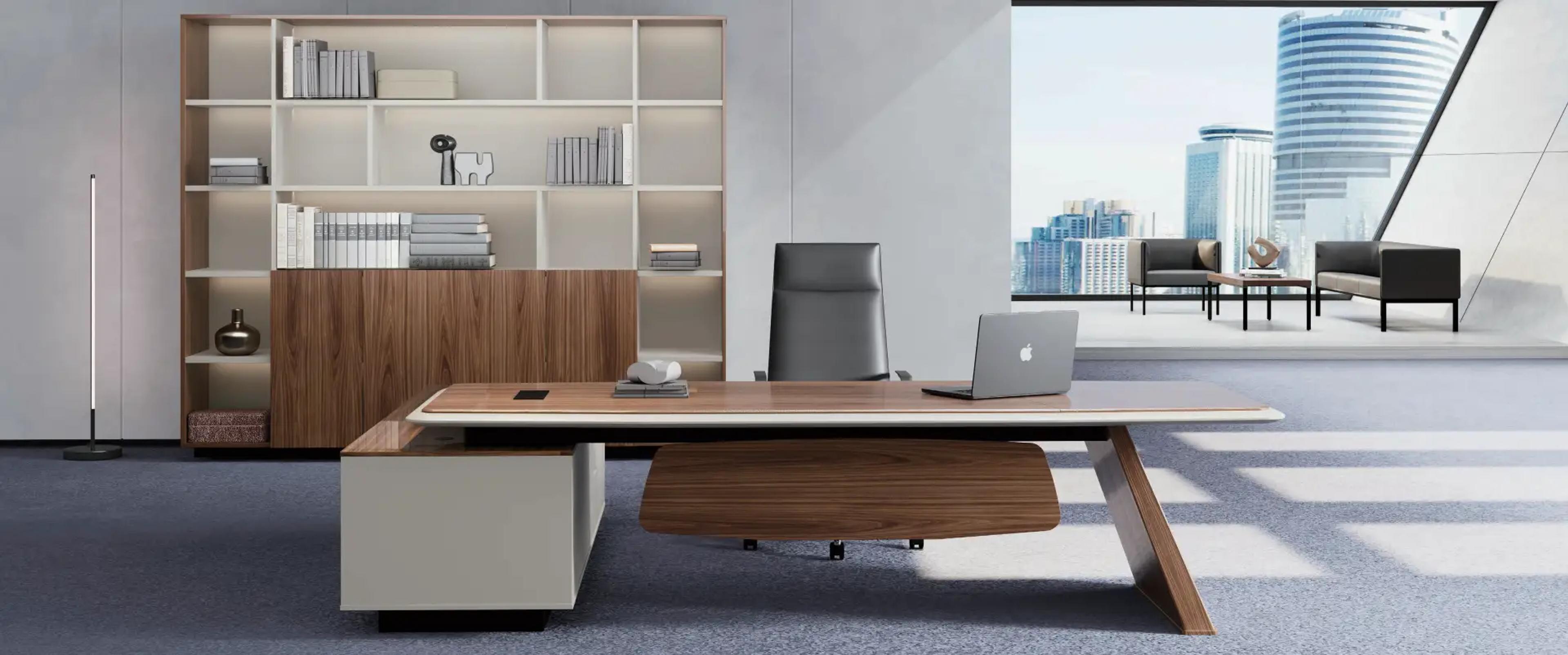
- L-shaped and U-shaped desks for leadership and multitasking roles
- Benching systems for open-plan spaces
- Sit-stand desks for ergonomic flexibility
Cable management, divider screens, and integrated storage are key features for maintaining a clean workspace.
2. Office Seating and Ergonomic Chairs
The chair is the most used piece of office furniture—comfort and durability are essential.
Common seating types include:
- Ergonomic task chairs with lumbar support
- Executive chairs for private offices
- Conference room chairs
- Stackable office chairs and nesting chairs for training rooms
- Folding chairs for events and temporary setups
Look for adjustable armrests, breathable materials, and BIFMA-certified construction to ensure long-term performance.
3. Meeting Room and Conference Furniture
Meeting spaces require both functionality and style.
Solutions include:
- Conference tables with power outlets
- Comfortable seating for long meetings
- Modular tables for training rooms
- Technology-ready setups for video conferencing
Flexible designs allow companies to accommodate different meeting styles.
4. Storage and Filing Solutions
Efficient storage reduces clutter and supports faster workflows.
Essential options include:
- Mobile pedestals
- Lateral and vertical filing cabinets
- Open shelving
- Lockable storage units
- Credenzas for executive rooms
Modern storage systems maximise space while supporting a clean, organised environment.
5. Reception and Visitor Areas
A well-designed reception area creates a strong first impression. Comfortable lounge seating, a stylish reception desk, and organised signage help present a polished brand image.
6. Collaborative and Breakout Furniture
Creative work and social interaction are part of modern office culture.Popular solutions include:
- Soft seating
- High-top tables
- Café-style chairs
- Acoustic pods for quiet work
- Modular sofas for brainstorming sessions
These areas boost teamwork and employee satisfaction.
Characteristics of High-Quality Office Furniture Solutions
Ergonomic Design
Furniture must support natural movement and healthy posture. Adjustable chairs, sit-stand desks, and monitor arms help reduce strain.
Modularity and Flexibility
Offices change as businesses grow. Modular desks, movable partitions, and stackable chairs allow rapid reconfiguration.
Durability and Standards
Commercial furniture must withstand daily use. Look for BIFMA-certified frames, premium materials, and reinforced construction.
Tech Integration
Power modules, cable trays, docking stations, and acoustic elements make workstations more functional.
Sustainable Materials
Eco-friendly materials, recycled components, and GREENGUARD certifications are increasingly important for ESG-conscious companies.
How to Choose the Best Office Furniture Solutions
Selecting the right furniture requires a thoughtful approach based on your team’s needs and long-term goals.
1. Understand Your Space
Evaluate:
- Floor size
- Team structure
- Work habits
- Storage needs
- Meeting room demands
A clear plan ensures efficient use of every square metre.
2. Prioritise Employee Comfort
Ergonomics should guide every purchase. Comfortable employees work better and stay with the company longer.
3. Choose Flexible, Future-Proof Designs
Businesses grow and evolve. Modular furniture accommodates changes without requiring a complete redesign.
4. Match Your Brand Style
Colours, shapes, and materials should align with your brand identity, whether that's corporate, modern, minimalist, or creative.
5. Invest in High-Traffic Durability
Busy offices need furniture built to commercial standards. Durable finishes and strong frames reduce long-term replacement costs.
6. Integrate Technology Early
Workstations must support digital tools—power access, monitor mounts, cable routing, and AV-ready meeting rooms.
7. Set a Strategic Budget
Consider essential items first (desks, chairs, storage), then expand with collaborative furniture and design upgrades.
Benefits of Investing in Smart Office Furniture Solutions
Companies see a range of measurable improvements when upgrading furniture systems:
- Higher productivity and focus
- Reduced workplace injuries
- More efficient use of space
- Improved employee morale
- Stronger brand presentation
- Better collaboration across teams
Good furniture is not a cost—it's a long-term business investment.
Emerging Trends in Office Furniture Solutions
The future of office design is shaped by flexibility and wellness.
Hybrid Work Support
Compact home office desks, ergonomic chairs, and easy-to-move furniture support hybrid workers.
Acoustic and Privacy Solutions
Phone booths, sound-absorbing panels, and quiet pods help reduce noise in open offices.
Smart Desks
Electric sit-stand desks with programmable controls and occupancy sensors.
Eco-Friendly Choices
Recycled materials, low-VOC finishes, and long-life products.
Biophilic and Wellness-Centred Design
Natural colors, greenery, and comfortable lounge seating create relaxing environments.
Conclusion
Modern office furniture solutions go far beyond basic desks and chairs. They shape productivity, influence workplace culture, and support the evolving needs of today's businesses. By prioritizing ergonomics, flexibility, durability, and design, companies can create workspaces that empower employees and strengthen their brand image.
Whether designing a new office or refreshing an existing one, investing in smart furniture solutions ensures your workspace stays efficient, comfortable, and future-ready.
Frequently Asked Questions
About Hamza Liaqat
Hamza Liaqat, our tech maestro, is a software engineer with a passion for cutting-edge technologies and experience of more than 7 years in tech industry. As the founder of DifferentDaily.com, he navigates the tech frontier, unraveling AI, Blockchain, and Web3 intricacies. Hamza's troubleshooting finesse and commitment to practical solutions make him your go-to guide for all things tech. Welcome to innovation, curated by Hamza Liaqat.